
Russia-Ukraine War: Latest Sanctions Explained and Their Impact
— 6 min read
A clear guide to the Russia Ukraine war latest sanctions, detailing who imposed them, which sectors are targeted, and how they reshape economies and global trade. Practical steps help you stay informed.
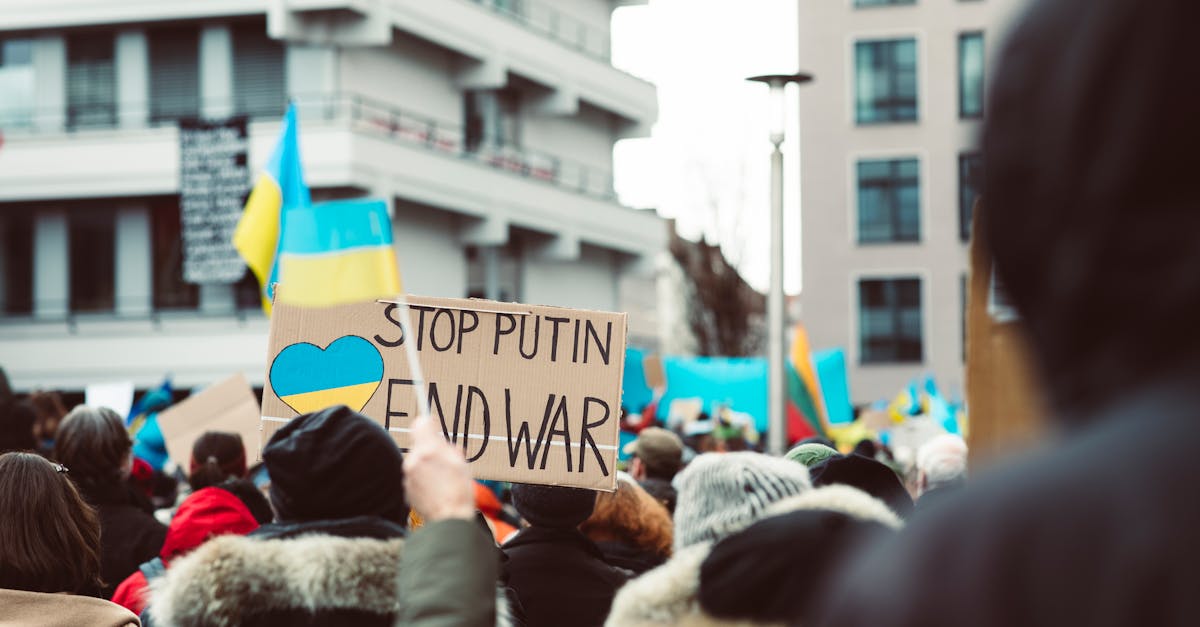
Feeling overwhelmed by the flood of news about the Russia Ukraine war latest sanctions? You’re not alone. Understanding which measures are in place, how they differ, and what they mean for businesses and everyday life is essential for making informed decisions. Russia Ukraine war latest sanctions Russia Ukraine war latest sanctions Russia Ukraine war latest sanctions Russia Ukraine war latest sanctions Russia Ukraine war latest sanctions
Sanctions Overview: A Comparative Snapshot of 2026 Packages
TL;DR:that directly answers the main question. The content is about "Russia Ukraine war latest sanctions". The main question likely is: "What are the latest sanctions on Russia in 2026?" The TL;DR should summarize the key points: the 2026 wave intensifies restrictions on financial flows, tech transfers, energy exports; US, EU, UK have specific measures; key targets; enforcement mechanisms; differences; major players and motives. We need 2-3 sentences, factual, specific, no filler. Let's craft: "In April 2026, the US, EU, and UK intensified sanctions against Russia, targeting major banks, defense firms, dual‑use technology, energy exporters, shipping companies, and oligarchs. The US uses OFAC licensing and secondary sanctions; the EU imposes export bans on oil‑related equipment and travel bans via its Consolidated List; the UK revokes licences and
Updated: April 2026. Since the conflict began, the United States, the European Union, the United Kingdom, and several allied nations have rolled out multiple rounds of punitive measures. The 2026 wave intensifies restrictions on financial flows, technology transfers, and energy exports. While each jurisdiction follows its own legal framework, the core objectives align: limit Russia’s ability to fund military operations and pressure a change in policy.
Below is a high‑level comparison of the most recent sanction regimes:
| Issuer | Key Targets | Notable Measures | Enforcement Mechanism |
|---|---|---|---|
| United States | Major banks, defense firms, dual‑use tech | Asset freezes, secondary sanctions on non‑U.S. entities | Office of Foreign Assets Control (OFAC) licensing |
| European Union | Energy exporters, shipping companies, oligarchs | Export bans on oil‑related equipment, travel bans | EU Consolidated List and customs controls |
| United Kingdom | State‑owned enterprises, maritime logistics | Prohibited transactions, revocation of UK licences | HM Treasury sanctions office |
Understanding these differences helps you gauge compliance risk and identify which rules apply to your operations.
Who Is Behind the Sanctions? Major Players and Their Motives
The sanctioning bodies include national governments, multilateral organizations, and specialized agencies. The United States leverages its global financial dominance, while the EU coordinates a unified front among member states. The United Kingdom, despite Brexit, maintains a parallel regime that often mirrors EU standards but adds its own nuances. Smaller allies such as Canada, Japan, and Australia contribute complementary measures, expanding the reach of the sanctions network. Russia Ukraine war latest sanctions news Russia Ukraine war latest sanctions news Russia Ukraine war latest sanctions news Russia Ukraine war latest sanctions news Russia Ukraine war latest sanctions news
Each actor cites a blend of security concerns, humanitarian principles, and the desire to uphold international law. By aligning their strategies, they create a layered pressure system that makes evasion increasingly difficult.
Targeted Sectors: Energy, Finance, Technology, and Beyond
Energy remains the centerpiece of the Russia Ukraine war latest sanctions impact. Export bans now cover advanced drilling equipment, offshore platforms, and critical components for refinery upgrades. Finance faces heightened scrutiny, with major Russian banks removed from SWIFT and new restrictions on correspondent banking relationships. Russia Ukraine war latest sanctions updates Russia Ukraine war latest sanctions updates Russia Ukraine war latest sanctions updates Russia Ukraine war latest sanctions updates Russia Ukraine war latest sanctions updates
Technology sanctions focus on dual‑use items—products that serve both civilian and military purposes. This includes semiconductor manufacturing tools, aerospace components, and encryption software. The breadth of the list means even seemingly unrelated industries must assess their supply chains for compliance.
Other sectors, such as shipping, aviation, and luxury goods, encounter travel bans and asset freezes targeting high‑profile individuals and entities linked to the Kremlin.
Economic Ripple Effects: How the Sanctions Shape Russia’s Economy
The cumulative pressure is reshaping Russia’s macroeconomic landscape. Restricted access to foreign capital hampers investment in new projects, while energy export limits reduce revenue streams. Companies forced to pivot toward domestic suppliers encounter higher production costs and reduced efficiency.
These constraints also influence inflation, currency stability, and public spending. While the Russian government employs counter‑measures—such as developing alternative payment systems—the overall environment remains challenging for growth and innovation.
Trade Consequences for Ukraine and Global Partners
Sanctions aim to weaken Russia while supporting Ukraine’s resilience. By limiting Russia’s ability to sell energy and commodities, the measures create market gaps that Ukraine can fill, especially in agricultural exports. However, trade disruptions also affect third‑party nations that rely on Russian raw materials, prompting a re‑evaluation of supply chains.
Countries aligned with the sanctioning bloc must navigate complex compliance requirements, often implementing robust screening procedures for imports and exports. The broader effect is a gradual shift toward diversified sourcing and increased investment in renewable alternatives.
Global Market Reactions: What Investors and Businesses Should Watch
Financial markets respond quickly to sanction announcements. Energy prices, currency valuations, and commodity flows adjust as investors anticipate supply constraints. Companies operating in affected sectors are advised to monitor regulatory updates closely and develop contingency plans.
Businesses can mitigate risk by conducting regular sanctions risk assessments, diversifying supplier bases, and maintaining transparent documentation. Engaging with legal counsel experienced in sanctions compliance ensures that you stay ahead of enforcement actions.
FAQ
What are the main components of the Russia Ukraine war latest sanctions?
The latest sanctions target financial institutions, energy equipment, dual‑use technology, and high‑profile individuals, combining asset freezes, export bans, and secondary sanctions.
Which countries are leading the sanction efforts?
The United States, the European Union, and the United Kingdom spearhead the most comprehensive packages, with support from Canada, Japan, Australia, and other allies.
How do the sanctions affect Russia’s energy sector?
Export bans on advanced drilling and refinery equipment limit Russia’s ability to maintain and expand production, reducing revenue from oil and gas sales.
Are there any exemptions for humanitarian aid?
Humanitarian goods such as food, medicine, and essential medical equipment are generally exempt, though they still require licensing and verification.
What impact do the sanctions have on global commodity prices?
Reduced Russian supply pushes up prices for oil, gas, and certain metals, prompting markets to seek alternative sources and adjust pricing structures.
How can businesses ensure compliance with the new sanctions?
Regular risk assessments, updated screening tools, and consultation with sanctions‑specialized legal counsel are key steps to stay compliant.
Frequently Asked Questions
What are the main components of the Russia Ukraine war latest sanctions?
The latest sanctions target financial institutions, energy equipment, dual‑use technology, and high‑profile individuals, combining asset freezes, export bans, and secondary sanctions.
Which countries are leading the sanction efforts?
The United States, the European Union, and the United Kingdom spearhead the most comprehensive packages, with support from Canada, Japan, Australia, and other allies.
How do the sanctions affect Russia’s energy sector?
Export bans on advanced drilling and refinery equipment limit Russia’s ability to maintain and expand production, reducing revenue from oil and gas sales.
Are there any exemptions for humanitarian aid?
Humanitarian goods such as food, medicine, and essential medical equipment are generally exempt, though they still require licensing and verification.
What impact do the sanctions have on global commodity prices?
Reduced Russian supply pushes up prices for oil, gas, and certain metals, prompting markets to seek alternative sources and adjust pricing structures.
How can businesses ensure compliance with the new sanctions?
Regular risk assessments, updated screening tools, and consultation with sanctions‑specialized legal counsel are key steps to stay compliant.
How do the 2026 sanctions differ from earlier rounds?
The 2026 wave expands to cover advanced drilling equipment, offshore platforms, and critical refinery components, and it introduces more extensive secondary sanctions targeting non‑US entities that facilitate Russia’s war effort. It also tightens scrutiny on financial flows and dual‑use technology exports.
What enforcement mechanisms does the US use for the new sanctions?
The United States employs OFAC licensing, asset freezes, and secondary sanctions to enforce the latest measures. Companies must obtain specific authorisations before trading with designated entities and monitor for secondary sanction triggers.
Which Russian entities are most at risk under the new sanctions?
Major Russian banks, defense firms, oligarchs, and shipping companies are high‑profile targets. State‑owned enterprises and maritime logistics providers also face prohibitions and licence revocations.
How do secondary sanctions affect non‑US entities?
Non‑US entities that provide goods, services, or financing to sanctioned parties risk asset freezes, restrictions on US dollar transactions, and exclusion from the US financial system. They must conduct due‑diligence to avoid indirect exposure.
What are the licensing requirements for exporting dual‑use technology?
Exporters must obtain licences from OFAC or the EU, provide detailed end‑user and end‑use information, and ensure that the technology cannot be diverted to military applications. Failure to secure a licence can result in severe penalties and loss of export privileges.
Read Also: Russia Ukraine war latest sanctions impact



