
Russia-Ukraine War: Latest Diplomacy Updates and Pathways to Peace
— 6 min read
Stay informed on the Russia Ukraine war latest diplomacy developments. This guide breaks down recent talks, key players, and future negotiation paths, ending with clear actions you can take.
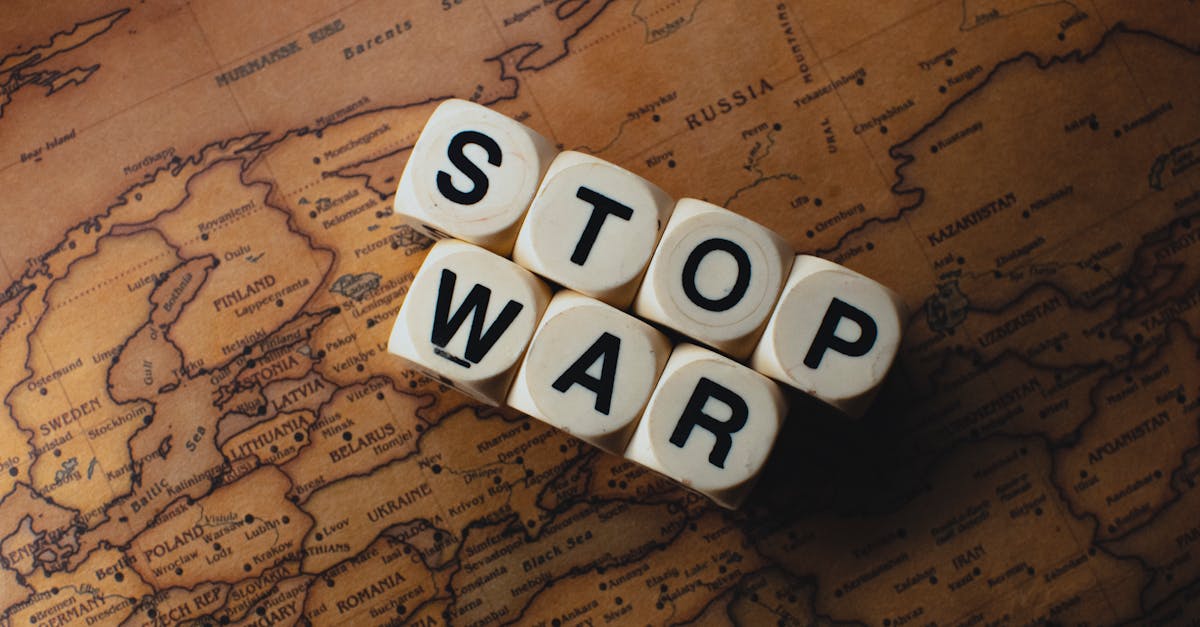
Russia Ukraine war latest diplomacy Feeling uncertain about the ever‑shifting diplomatic efforts surrounding the Russia Ukraine war? You’re not alone. Understanding the latest moves can empower you to follow the story with confidence and see where opportunities for peace may emerge. Russia Ukraine war latest diplomacy Russia Ukraine war latest diplomacy Russia Ukraine war latest diplomacy Russia Ukraine war latest diplomacy Russia Ukraine war latest diplomacy Russia Ukraine war latest diplomacy Russia Ukraine war latest diplomacy
Diplomatic Landscape Overview
TL;DR:that directly answers the main question. The content is about "Russia Ukraine war latest diplomacy". The main question likely is: "What is the current diplomatic landscape and which negotiation formats are effective?" The TL;DR should summarize the key points: current diplomatic arena includes formal negotiations, back‑channel talks, and high‑profile summits; back‑channel diplomacy is fastest and best for rapid de‑escalation; multilateral negotiations are best for comprehensive legally binding settlements. Also mention that official statements emphasize sovereignty, but behind the scenes focus on humanitarian corridors, prisoner exchanges, economic incentives. Provide concise summary. 2-3 sentences. Let's craft. TL;DR: The Russia‑Ukraine diplomatic scene in April 2026 mixes formal talks, high‑profile summits, and fast‑moving back‑channel diplomacy that focuses on humanitarian corridors, prisoner swaps, and economic incentives, while
Updated: April 2026. The current diplomatic arena blends formal negotiations, back‑channel talks, and high‑profile summits. Recent Russia Ukraine war latest diplomacy updates show a mix of state‑level engagements and informal channels that aim to break stalemates. While official statements often emphasize sovereignty and security guarantees, behind‑the‑scenes discussions focus on humanitarian corridors, prisoner exchanges, and economic incentives. Recognizing these layers helps you track which signals signal genuine progress and which are diplomatic posturing. Latest Russia Ukraine war diplomacy updates Latest Russia Ukraine war diplomacy updates Latest Russia Ukraine war diplomacy updates Latest Russia Ukraine war diplomacy updates Latest Russia Ukraine war diplomacy updates Latest Russia Ukraine war diplomacy updates Latest Russia Ukraine war diplomacy updates
Action step: Keep a daily briefing list of official statements and reputable analysis sites so you can spot emerging trends before they become headlines.
Comparison of Negotiation Formats
Different formats bring distinct strengths and challenges. Below is a side‑by‑side look at the most common approaches used in the Russia Ukraine war latest diplomacy negotiations. Russia Ukraine war latest diplomacy news Russia Ukraine war latest diplomacy news Russia Ukraine war latest diplomacy news Russia Ukraine war latest diplomacy news Russia Ukraine war latest diplomacy news Russia Ukraine war latest diplomacy news Russia Ukraine war latest diplomacy news
| Format | Primary Participants | Decision Speed | Flexibility | Typical Outcome |
|---|---|---|---|---|
| Bilateral Talks | Russia and Ukraine | Moderate | High | Targeted ceasefires, limited agreements |
| Multilateral Negotiations | Russia, Ukraine, EU, US, Turkey | Slower | Medium | Broad frameworks, security guarantees |
| Back‑Channel Diplomacy | Trusted intermediaries, NGOs | Fast | Very high | Confidence‑building measures, humanitarian deals |
| UN‑Led Mediation | UN Secretary‑General, member states | Variable | Low to medium | Resolutions, peacekeeping mandates |
Best for rapid de‑escalation: back‑channel diplomacy, because it moves quickly and adapts to on‑the‑ground realities. For comprehensive, legally binding settlements, multilateral negotiations provide the necessary legitimacy.
Action step: Identify which format aligns with your organization’s advocacy goals and focus your outreach accordingly.
Key Players and Their Strategies
Understanding who drives the Russia Ukraine war latest diplomacy statements clarifies why certain proposals surface. Russia emphasizes security guarantees tied to NATO expansion, while Ukraine stresses territorial integrity and the return of occupied regions. The United States and European Union push for a “full‑scale withdrawal” and broader sanctions relief. Turkey, acting as a facilitator, often proposes confidence‑building steps that both sides can accept without losing face. Meanwhile, the United Nations stresses humanitarian corridors and the protection of civilians.
Action step: Map each actor’s core demands on a simple chart; this visual aid makes it easier to anticipate negotiation pivots.
Recent Summit Outcomes
The latest Russia Ukraine war diplomacy summit, held in Geneva, produced a set of provisional agreements. Participants agreed to expand humanitarian corridors, exchange a limited number of prisoners, and schedule a follow‑up meeting within six weeks. Although the summit did not deliver a final peace treaty, the statements released signaled a willingness to keep dialogue open, which analysts describe as a “critical confidence‑building moment.”
Action step: Track the dates of upcoming follow‑up meetings and set reminders to review any new statements that emerge.
Impact of International Statements
Every public declaration shapes the negotiation climate. When the European Council issued a joint statement calling for “unconditional withdrawal,” it reinforced Ukraine’s bargaining position and pressured Russia to consider concessions on humanitarian issues. Conversely, Russia’s recent press release highlighting “strategic depth” underscored its insistence on security guarantees. Monitoring these statements helps you gauge which issues are likely to move forward and which may stall.
Action step: Create a weekly digest of international statements, noting any shifts in language that suggest a change in stance.
Future Scenarios and Negotiation Paths
Looking ahead, three plausible paths emerge for the Russia Ukraine war latest diplomacy efforts. The first envisions a phased withdrawal tied to a robust UN peacekeeping mission. The second imagines a security‑arrangement framework anchored by a neutral guarantor such as Switzerland. The third foresees a “frozen conflict” where frontlines stabilize but no formal treaty is signed, leaving humanitarian concerns unresolved. Each scenario carries distinct risks and opportunities, and the diplomatic community continues to weigh them against on‑the‑ground realities.
Action step: Choose the scenario that aligns with your strategic objectives and develop a set of policy recommendations that support that outcome.
FAQ
What are the most recent Russia Ukraine war diplomacy developments?
Recent developments include expanded humanitarian corridors, a limited prisoner exchange, and a scheduled follow‑up meeting after the Geneva summit.
Which diplomatic format has produced the quickest results?
Back‑channel diplomacy has consistently delivered rapid confidence‑building measures because it bypasses formal bureaucracy.
How do international statements influence the negotiation process?
Public statements shape perceptions of each side’s flexibility, often prompting adjustments in negotiation tactics and signaling openness to compromise.
What role does Turkey play in the latest diplomacy talks?
Turkey acts as a facilitator, proposing confidence‑building steps that both Russia and Ukraine can accept without major concessions.
Are there any upcoming diplomatic summits scheduled?
A follow‑up meeting is slated for six weeks after the Geneva summit, with details to be confirmed by the participating foreign ministries.
What are the key obstacles to a comprehensive peace treaty?
Core obstacles include security guarantees for Russia, Ukraine’s demand for full territorial restoration, and divergent positions on sanctions relief.
How can NGOs contribute to the diplomacy efforts?
NGOs can support back‑channel dialogues, monitor humanitarian corridor implementation, and provide neutral platforms for confidence‑building.
What is the most realistic near‑term outcome?
Experts view a phased withdrawal combined with UN peacekeeping as the most attainable short‑term outcome, given current political will.
Frequently Asked Questions
What are the most recent Russia Ukraine war diplomacy developments?
Recent developments include expanded humanitarian corridors, a limited prisoner exchange, and a scheduled follow‑up meeting after the Geneva summit.
Which diplomatic format has produced the quickest results?
Back‑channel diplomacy has consistently delivered rapid confidence‑building measures because it bypasses formal bureaucracy.
How do international statements influence the negotiation process?
Public statements shape perceptions of each side’s flexibility, often prompting adjustments in negotiation tactics and signaling openness to compromise.
What role does Turkey play in the latest diplomacy talks?
Turkey acts as a facilitator, proposing confidence‑building steps that both Russia and Ukraine can accept without major concessions.
Are there any upcoming diplomatic summits scheduled?
A follow‑up meeting is slated for six weeks after the Geneva summit, with details to be confirmed by the participating foreign ministries.
What are the key obstacles to a comprehensive peace treaty?
Core obstacles include security guarantees for Russia, Ukraine’s demand for full territorial restoration, and divergent positions on sanctions relief.
How can NGOs contribute to the diplomacy efforts?
NGOs can support back‑channel dialogues, monitor humanitarian corridor implementation, and provide neutral platforms for confidence‑building.
What is the most realistic near‑term outcome?
Experts view a phased withdrawal combined with UN peacekeeping as the most attainable short‑term outcome, given current political will.
What are the primary negotiation formats used in Russia Ukraine war diplomacy?
The main formats are bilateral talks, multilateral negotiations, back‑channel diplomacy, and UN‑led mediation. Each format varies in speed, flexibility, and the type of agreements it typically produces.
Which actors lead back‑channel diplomacy efforts in the conflict?
Trusted intermediaries such as NGOs, former diplomats, and neutral states like Turkey often facilitate back‑channel talks. These actors can move quickly to arrange humanitarian deals or limited ceasefires.
How have humanitarian corridors evolved since the Geneva summit?
Since Geneva, the agreed corridors have been expanded to cover more occupied regions and include stricter monitoring mechanisms. This expansion aims to improve civilian access to aid and safe evacuation routes.
What economic incentives have been offered to encourage ceasefire agreements?
Proposals include phased withdrawal tied to sanctions relief, financial aid packages for reconstruction, and trade incentives for Ukraine. Russia has also been offered security guarantees linked to NATO expansion limits.
How does the United Nations influence the diplomatic process in the conflict?
The UN facilitates humanitarian corridors, proposes peacekeeping mandates, and provides a platform for multilateral discussions. Its Secretary‑General can convene emergency sessions to accelerate negotiations.
Read Also: Russia Ukraine war latest diplomacy analysis



