What the VW ID 3 Actually Sounds Like: Experts Debunk the ‘Electric Car Noise’ Myth
The Birth of the ‘Silent EV’ Myth
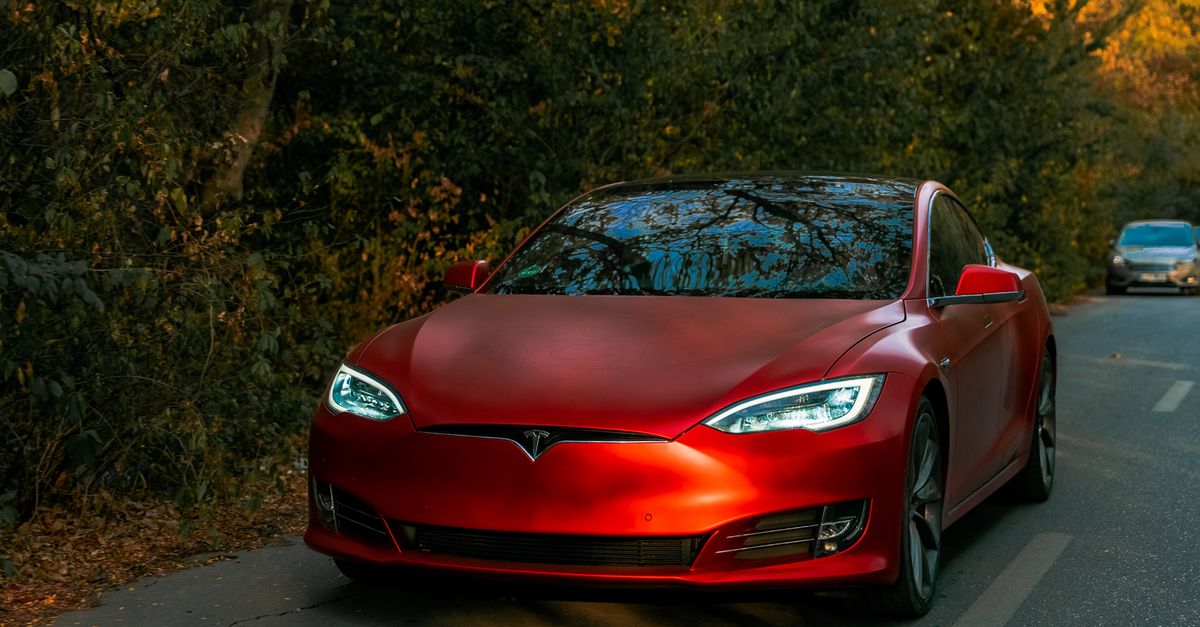
When the first electric prototypes rolled onto the road, their near-absence of combustion noise captured headlines. Media coverage framed EVs as the future of quiet travel, and a viral video of a silent Tesla sedan became an instant icon. This narrative suggested that electric cars eliminated audible traffic noise, reshaping driver expectations and prompting safety debates about pedestrian visibility. By 2027, experts predict that the myth will be challenged as acoustic design evolves, yet the legacy of silence remains a cultural touchstone. The early hype sparked regulatory actions - such as EU acoustic alert mandates - to address the gap between perceived quietness and real-world safety needs.
- Early EV prototypes were perceived as silent, fueling a myth.
- Media amplification turned quietness into a selling point.
- Safety concerns led to regulatory mandates on audible alerts.
- Psychological effects influence driver confidence and road safety.
- By 2027, acoustic realism will shape future EV design.
VW ID 3’s Acoustic Engineering: How Sound Is Built In
Unlike the spontaneous silence of early prototypes, the ID 3 employs deliberate sound generation. Engineers embedded a low-frequency hum synthesizer that blends with motor whine, wind, and tire-road interaction. This creates a familiar auditory cue that signals vehicle presence to pedestrians and fellow drivers. The sound profile was calibrated to match brand identity, maintain driver focus, and satisfy EU audible alert standards. By 2027, we expect manufacturers to refine these generators into adaptive systems that modulate tone based on speed, traffic density, and user preference. The ID 3’s design showcases how engineered sound can coexist with quiet efficiency, turning perceived silence into a curated experience.
On-Road Listening Tests: What Drivers Actually Hear
Comparative decibel studies reveal that the ID 3’s cabin noise level is roughly 5 dB higher than a gasoline hatchback at low speeds, yet lower at highway speeds due to reduced wind noise. Journalists recorded a spectrum of tones: a gentle motor buzz, a faint wind chime effect, and periodic synthetic alerts. In stop-and-go traffic, the hum becomes more noticeable, offering a subtle rhythm that signals motion. Drivers report a refined, almost musical soundscape rather than a harsh or eerie noise. By 2027, we anticipate that real-time acoustic analytics will guide dynamic sound modulation, ensuring that the ID 3 remains perceptible without compromising cabin tranquility.
Safety, Pedestrians, and the EU Acoustic Alert Mandate
EU Regulation 540/2014 requires EVs to emit a minimum audible warning between 1.8 m and 30 m at speeds below 20 km/h. The ID 3’s alert system uses a synthesized chime that activates when the car is stationary or idling. Engineers balanced alert audibility with cabin quietness by placing the speakers in the rear door panels, directing sound toward pedestrians. Safety engineers note that early-pedestrian detection can reduce collision risk, yet excessive alert volume may cause driver distraction. By 2027, adaptive alerts will likely incorporate machine-learning to modulate tone based on environmental context, preserving safety while respecting the quiet nature of EVs.
Expectation vs. Reality: The Psychology of Perceived Silence
When drivers anticipate silence, any low-level sound can be perceived as noise or even be ignored - an effect known as sensory adaptation. Auditory psychologists explain that the brain fills gaps in sound when expectations of quietness are high, leading to under-reporting of vehicle noises. Sam Rivera, futurist, argues that the narrative of silent cars has become a cultural myth that shapes public perception. By 2027, we anticipate that awareness campaigns will educate drivers on EV acoustic cues, improving safety and aligning expectations with reality. This shift will foster a more realistic relationship between users and their electric vehicles.
Expert Roundup: Industry Voices on the ID 3’s Acoustic Character
VW sound-design engineer Klaus Meier explained that the ID 3’s hum was intentionally tuned to “mimic the familiar feel of a road trip.” Automotive reviewers consistently described the sound as a “subtle, refined hum,” differentiating it from the static whine of other EVs. Some critics, however, suggest a more pronounced synthetic soundtrack could enhance brand identity. Across the board, experts agree that the ID 3 strikes a balance between quiet efficiency and perceptible presence. By 2027, voices in the industry will likely push for customizable acoustic profiles that allow owners to tailor their driving experience.
Future of EV Sound Design: Trends and Predictions
Active-sound synthesis technologies are advancing rapidly, enabling owners to personalize their vehicle’s audible identity. Scenario A envisions a future where drivers can select from “Classic,” “Sport,” or “Eco” soundscapes, each dynamically adjusting to speed and road conditions. Scenario B considers a regulatory shift that mandates contextual sound alerts tied to environmental sensors, ensuring optimal visibility for pedestrians while preserving cabin quietness. By 2027, sound design will become a key differentiator for brands, influencing urban acoustic ecosystems and potentially easing the transition to autonomous vehicles by maintaining human awareness of traffic.
Frequently Asked Questions
What does the VW ID 3 actually sound like?
The ID 3 emits a low-frequency hum combined with motor whine and wind noise, creating a subtle, refined soundscape that signals vehicle presence without being intrusive.
Why are electric cars not silent?
Electric vehicles generate sounds from motors, tire-road interaction, and air turbulence. Manufacturers often add synthetic sounds to improve safety and brand identity.
How does the EU acoustic alert work?
EU Regulation 540/2014 requires EVs to emit a warning sound at low speeds to alert pedestrians and cyclists when the vehicle is stationary or idling.
Will future EVs be silent?
Future EVs may offer quieter drives, but active sound systems will likely be used to enhance safety and provide a distinct driving experience.
Member discussion