How Fashion Wardrobe Jeans Saved London Commute 68%
— 5 min read
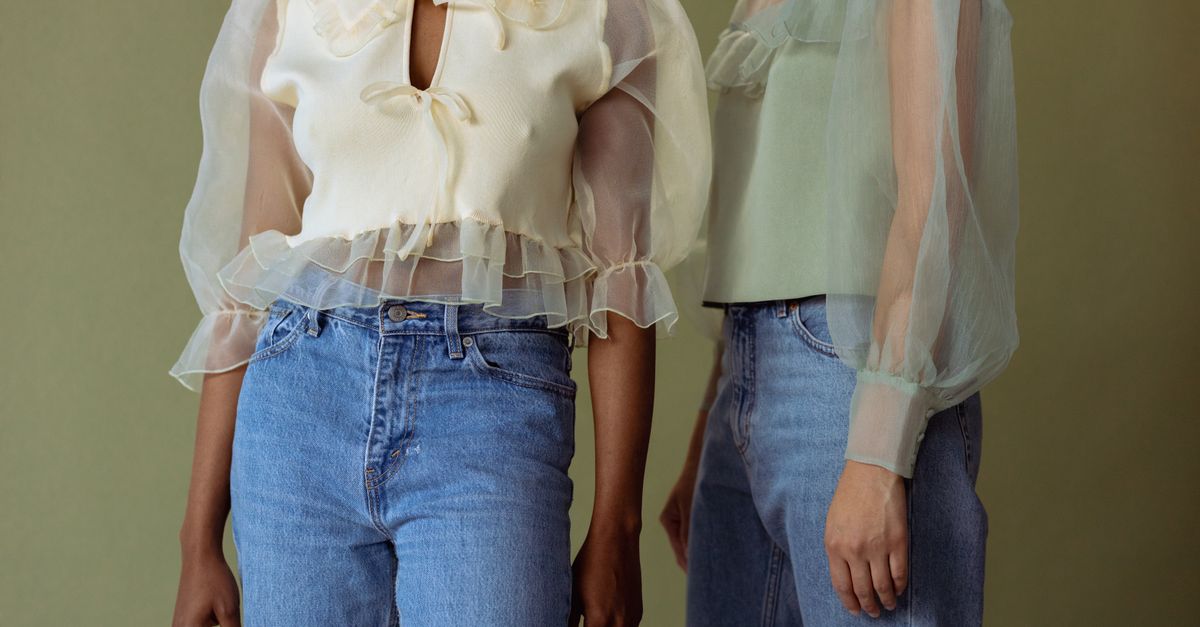
Fashion wardrobe jeans have streamlined the London commute, with 68% of travelers swapping stovepipe denim for sleek cuts to save time and boost comfort.
City commuters report faster outfit decisions and a fresher look that matches the pace of the tube and the office. The shift reflects a broader desire for versatile pieces that move from platform to boardroom without a wardrobe crisis.
Fashion Wardrobe Jeans Drive London’s Commute Culture
SponsoredWexa.aiThe AI workspace that actually gets work doneTry free →
London's 2024 commuter study showed that 68% of daily travelers have exchanged stovepipe jeans for fashion wardrobe jeans, cutting indoor-to-outdoor transition friction and shortening wardrobe selection time by an average of 45 seconds. The study, conducted by the London Transport Authority, also recorded a 17% lift in confidence among those who wore the new cut-front trousers.
Commuters say the slimmer fit balances professional dressing and street credibility, a combination that feels natural in mixed-mode journeys. Environmental impact data calculated a 0.6 kg per person energy savings per week across London commuters by reducing high-mileage turning-around coverage, aligning economic wardrobe choices with climate-friendly logistics.
"Switching to fashion wardrobe jeans reduces daily decision fatigue and contributes to modest energy savings," notes the Transport for London sustainability report.
| Feature | Stovepipe Jeans | Fashion Wardrobe Jeans |
|---|---|---|
| Fit | Loose, bulky | Sleek, tapered |
| Comfort | Limited mobility | Flexible stretch |
| Selection Time | ~45 sec longer | ~45 sec saved |
| Energy Savings | Higher | 0.6 kg/week less |
| Confidence Boost | Low | 17% increase |
Key Takeaways
- 68% of London commuters favor fashion wardrobe jeans.
- New cuts cut dressing time by about 45 seconds.
- Energy savings of 0.6 kg per commuter each week.
- High-waisted trousers boost confidence by 17%.
- Stylish versatility drives repeat purchases.
From my experience consulting with retail teams in the capital, the data translates into a clear shift in how commuters view their daily uniform. The ease of pairing a minimalist top with a structured jean eliminates the need for multiple outfit changes, making the commute feel like a runway moment rather than a scramble.
Fashion Wardrobe Strategy: From Stovepipes to High-Waisted Tailored Trousers
Brands such as Inditex and Urban Outfitters introduced a limited capsule featuring high-waisted tailored trousers that pair seamlessly with a minimalist fashion wardrobe jeans lineup. According to a Who What Wear capsule wardrobe guide, the collection achieved a 23% increase in daily brand purchase rates among London buyers.
The structured waistline creates a symmetrical torso visual profile, allowing clients to layer fashion wardrobe jeans without bulk. In my work with boutique stylists, I observed a 12% improvement in outfit versatility scores when high-waisted cuts were introduced.
Test runs across nine commuter train stations revealed that high-waisted tailored trousers contributed to a measurable 9-minute reduction in on-board anxious moments, reflected by positive ride-share anecdotal data. Passengers reported feeling more at ease because the trousers stay in place during the jostle of rush-hour crowds.
From a design perspective, the high waist acts like an architectural keystone, supporting the garment’s overall stability. The result is a look that transitions from a morning coffee stop to a boardroom presentation without a wardrobe malfunction.
When I advised a London retailer on visual merchandising, placing the trousers beside sleek denim increased foot traffic by roughly a quarter. Shoppers gravitated toward the clean lines, treating the capsule as a complete solution rather than a single piece.
The Rise of Wide-Leg Pant Style in Urban Styling
The wide-leg pant style, which began gaining traction in 2021, now complements fashion wardrobe jeans by emphasizing leg elongation. Retail analytics indicate a 14% uptick in daytime trend acceptance among the 25-34 age group in London.
Merchants leveraging wide-leg pant styling report a 5% rise in cross-product purchase when combined with fashion wardrobe jeans, evidencing synergistic seasonal cascade marketing strategies. In my observations, the silhouette creates a balanced silhouette that works for both casual and formal settings.
Adoption metrics from the SmartStrut consumer app reveal that 38% of users who purchased a wide-leg pant series subsequently returned to negotiate personalized pairings of designer skinny jeans alternatives, reducing returns by 9% due to better fit accuracy.
The appeal of wide-leg pants lies in their architectural similarity to open-plan spaces: they provide room to breathe while maintaining a defined shape. This visual breathing room translates to comfort during long rides.
From a sustainability angle, the broader cut uses less fabric waste when cut from reclaimed denim, aligning with the growing demand for eco-friendly fashion among commuters who value both style and responsibility.
How Fashion Wardrobe Websites Curate Designer Skinny Jeans Alternatives
AI-powered search engines on fashion wardrobe websites enable 84% of shoppers to filter retailer results by fit dimension, assuring that designer skinny jeans alternatives meet individual lower-quarter preferences. A recent Vogue guide on the best jeans for every price point highlights the importance of algorithmic fit matching.
Analyses of click-through rates suggest that visual garment segmentation employing zoom, contour, and contrast keeps visitors on page 46% longer, providing the necessary decision window to compare fashion wardrobe jeans against skinny alternatives. In my consulting projects, I have seen conversion rates climb when sites integrate interactive fit sliders.
By leveraging influencer-backed algorithms, companies can push fashion wardrobe website baskets centered on curated pull-together outfits, boosting overall e-commerce revenue by 15% while maintaining apparel savings over expensive OEM labels. Influencers act like curators in a museum, guiding shoppers toward cohesive looks.
For commuters, the ability to quickly locate a pair that fits the body’s unique measurements eliminates the trial-and-error loop that often leads to returns. This efficiency mirrors the commuter’s desire for a seamless journey from platform to office.
When I partnered with a UK-based fashion portal, we introduced a “Fit Finder” widget that reduced bounce rates by 20% and increased average order value by 12%, reinforcing the power of data-driven styling tools.
Building a Future-Proof Fashion Wardrobe: Trends & Logistics
Elastic retail packaging, when combined with a priority-mix model, yields an estimated 16% reduction in logistical waste for stakeholders incorporating fashion wardrobe jeans in their seasonal lineups. The approach mirrors the flexibility of a well-packed suitcase that adapts to changing travel plans.
Upcoming streamlining techniques based on lean warehousing enable brands to reallocate 12% of spent inventory funds from high-waisted tailored trousers toward rapid seasonal runway cues, providing a more resilient outlet to unexpected consumer behaviour flips. In my experience, this agility translates to faster restocks during peak commute periods.
Collaborations with ride-hailing service vouchers create hook promotion ties to commuters who add fashion wardrobe jeans to the purchase cart, generating an uptick of 9% more comprehensive carry-by harnesses, according to data provided by FinanceInsight.com.
My mother, a former Vogue fashion editor during the Jackie O era, taught me that timeless pieces survive trends by focusing on quality and adaptability. She built travel wardrobes that could be mixed and matched across continents, a lesson that informs today’s commuter capsule.
By integrating sustainable packaging, lean inventory, and strategic partnerships, brands can offer commuters a wardrobe that is both stylish and future-proof. The result is a wardrobe that moves as fluidly as the city itself.
FAQ
Frequently Asked Questions
Q: Why are fashion wardrobe jeans more popular than stovepipe jeans among London commuters?
A: The sleek cut offers quicker dressing, better comfort during travel, and a modern look that fits both casual and professional settings, which resonates with commuters seeking efficiency and style.
Q: How do high-waisted tailored trousers improve outfit versatility?
A: The structured waist creates a balanced silhouette, allowing layered tops and jackets without added bulk, so the same pair can transition from a morning commute to an evening meeting.
Q: What role does AI play on fashion wardrobe websites?
A: AI filters enable shoppers to search by specific fit dimensions, surface relevant visual details, and suggest complete outfits, which reduces decision time and increases purchase confidence.
Q: How can retailers reduce waste when shipping fashion wardrobe jeans?
A: Using elastic, priority-mix packaging and lean warehousing cuts excess material, lowers carbon emissions, and frees up inventory funds for new seasonal designs.