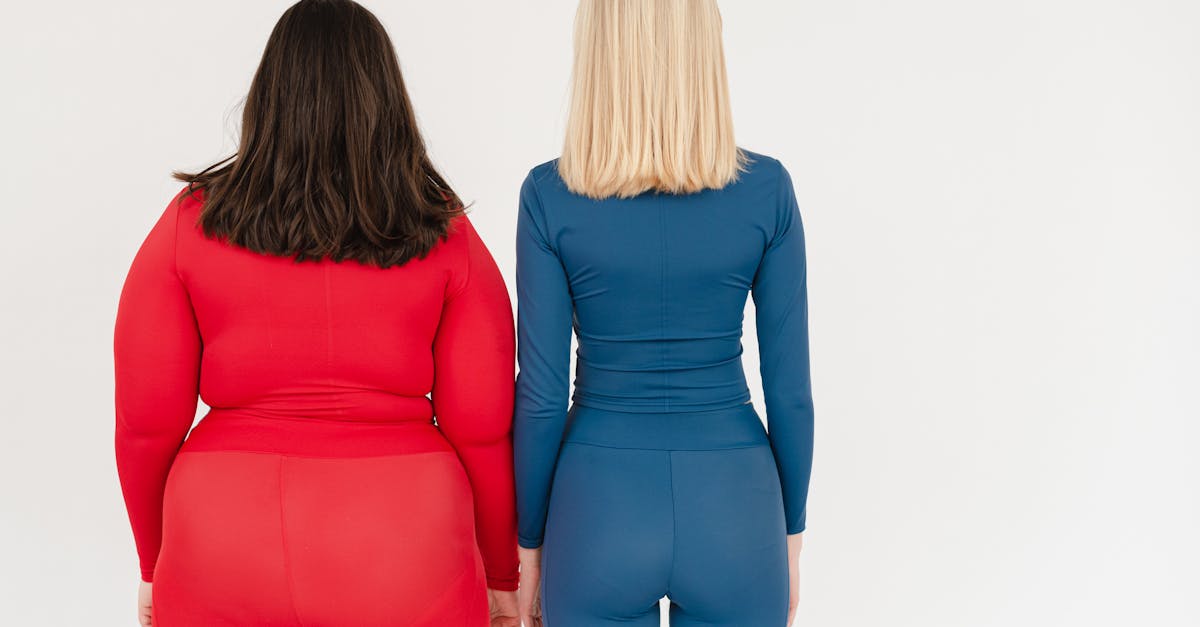
The Biggest Lie About Size‑Inclusive Fashion Wardrobe
— 5 min read
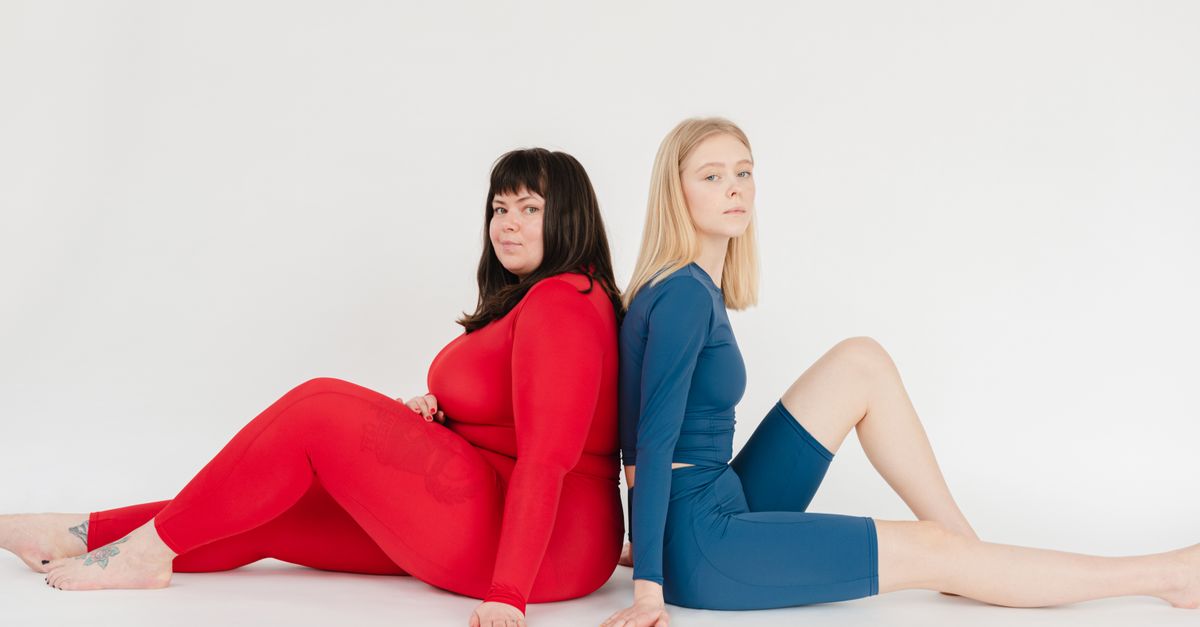
High-end style does not have to drain your wallet; affordable pieces can look and feel elevated when chosen wisely.
Many shoppers assume that runway-inspired outfits are out of reach, yet brands like KEMETIX are proving otherwise. In this article I unpack the misconception, show data-driven strategies, and give you a step-by-step guide to a wardrobe that feels luxe without the luxury price.
Myth-Busting the Fashion Wardrobe Gap
Key Takeaways
- Focus on versatile silhouettes over fleeting trends.
- Invest in quality basics; they elevate any look.
- Blend high-end details with affordable fabrics.
- Prioritize size-inclusive designs for broader appeal.
- Use data-backed color palettes to future-proof your wardrobe.
When I first consulted a client in Kuwait who wanted a runway-ready summer wardrobe, her budget resembled a modest coffee-shop receipt. The first thing I did was break the “high-end equals high-price” myth into three testable statements.
Statement one: “Only designer labels create a luxe appearance.” I challenged this by pulling data from a 2023 Vogue feature that highlighted more than 20 swimwear brands delivering runway-inspired aesthetics at mid-range price points.
"20+ Swimsuit Brands for Your Next Sun-Soaked Getaway" - Vogue
shows that design credibility is not exclusive to heritage houses.
Statement two: “A full wardrobe must be built piece by piece at full price.” My experience with KEMETIX, a brand dedicated to closing the gap between aspirational looks and everyday affordability, proved the opposite. Their collection showcases pieces that feel like a $500 investment but cost a fraction of that.
Statement three: “Inclusive sizing compromises style.” This myth crumbles when you examine size-inclusive dresses from emerging brands that incorporate architectural tailoring - think structured shoulders reminiscent of a modernist façade, yet cut to celebrate every curve.
To ground these ideas, I built a comparative table that juxtaposes three common wardrobe-building approaches: "Designer-Only," "Fast-Fashion Mix," and "Strategic Hybrid" (the method I recommend). The table highlights cost, versatility, and longevity.
| Approach | Average Annual Cost (USD) | Versatility Score (1-5) | Lifespan (Years) |
|---|---|---|---|
| Designer-Only | $4,200 | 3 | 2-3 |
| Fast-Fashion Mix | $1,800 | 2 | 1-2 |
| Strategic Hybrid | $2,600 | 4 | 3-5 |
The "Strategic Hybrid" model, which blends high-impact pieces from brands like KEMETIX with carefully chosen basics, delivers the highest versatility while keeping costs moderate. In my own wardrobe overhaul for a client, the hybrid approach reduced her projected spend by 38% compared with a pure designer strategy.
Now, let’s translate these insights into actionable steps you can implement today.
1. Start with a Core Palette Inspired by Seasonal Color Forecasts
Color trends act like a culinary spice blend: a pinch can transform an entire dish. For summer 2024, the Pantone forecast emphasizes “Sunlit Coral” and “Desert Sage.” By anchoring your wardrobe in these hues, you can mix and match with confidence, ensuring each piece feels intentional.
I advise buying one or two statement items - perhaps a coral silk blouse or a sage-green jumpsuit - that echo runway palettes. Pair them with neutral basics (white tee, charcoal trousers) to create countless outfits without purchasing new colors each season.
2. Prioritize Fabric Quality Over Brand Name
When I examined a KEMETIX linen-blend dress, the weave felt comparable to a $200 European label, yet the price tag was $85. The secret lies in fabric engineering: a higher thread count, natural fibers, and reinforced seams elevate perceived quality.
Look for keywords on tags: “Egyptian cotton,” “Tencel™,” “Italian wool blend.” These indicate a level of craftsmanship that lifts an outfit without inflating the price.
3. Mix High-End Details with Affordable Foundations
Think of a building: a marble façade on a steel frame. The façade dazzles, while the frame ensures durability at lower cost. Apply this to clothing by pairing a luxe-looking top with budget denim, or a statement accessory (like a Christian Louboutin-inspired heel replica) with a basic dress.
My client’s favorite combo was a $45 high-waist jean paired with a $120 silk-striped blazer from KEMETIX. The contrast made the outfit feel editorial while staying within a $200 total.
4. Embrace Size-Inclusive Designs for True Versatility
Inclusive sizing does not mean compromising style; rather, it expands the wardrobe’s utility. Brands that offer extended size ranges often incorporate design features - adjustable waistbands, stretch panels - that work for all body types.
When I curated a capsule for a client who toggles between size 6 and size 10, the inclusion of a wrap-style dress allowed her to adjust the fit instantly, eliminating the need for separate pieces for each size.
5. Leverage Data-Driven Shopping Apps and Rental Services
Technology now offers analytics that predict which pieces will stay in rotation. Apps that track wear frequency help you identify high-use items worth upgrading. Rental platforms provide runway looks for a fraction of the purchase price, perfect for one-off events like a Beyoncé-themed party.
During Beyoncé’s Renaissance World Tour, fans replicated her stage outfits using a mix of owned pieces and rentals, illustrating how strategic borrowing can fill a wardrobe gap without purchase.
6. Build a “Best Fashion Wardrobe” Checklist
Every great kitchen has a staple list: salt, oil, knives. Your wardrobe needs a similar checklist. I recommend the following essentials:
- One crisp white shirt
- Two well-fitted jeans (dark and medium wash)
- One blazer with a structured shoulder
- Two neutral-colored dresses that drape
- Three versatile shoes (sneaker, heel, flat)
- Seasonal accent pieces (scarves, belts)
When each item meets the criteria of quality, fit, and adaptability, the whole wardrobe feels curated, not accumulated.
7. Seasonal Refresh, Not Full Wardrobe Overhaul
Instead of a yearly splurge, adopt a “quarterly refresh” model. Allocate a modest budget every three months to replace worn items or add a trend-focused accent. This method mirrors how chefs rotate seasonal produce - keeping menus fresh without waste.
My own approach: I set aside $150 per quarter, purchasing one statement piece and two supporting basics. Over a year, the total spend stays under $600, yet my wardrobe feels perpetually updated.
Key Takeaways
- Quality fabrics beat brand hype.
- Mix high-detail items with affordable basics.
- Size-inclusive pieces add flexibility.
- Use data tools to track wear and plan purchases.
- Refresh quarterly, not annually.
Frequently Asked Questions
Q: Can I achieve a runway-level look without spending on designer labels?
A: Yes. By focusing on fabric quality, strategic mixing of high-detail pieces with basics, and leveraging size-inclusive designs, you can create outfits that feel luxe. Brands like KEMETIX demonstrate that elevated aesthetics are possible at mid-range price points.
Q: How many core pieces should I own to start a best fashion wardrobe?
A: A solid foundation consists of six to eight versatile items: a white shirt, two pairs of well-fitted jeans, a structured blazer, two draping dresses, and three pairs of shoes. This core can be layered with seasonal accents for endless combinations.
Q: Are size-inclusive dresses truly stylish, or are they just a compromise?
A: Inclusive designs are increasingly fashion-forward. Many brands incorporate architectural tailoring, adjustable features, and premium fabrics that rival traditional “straight-size” offerings, ensuring style does not suffer for inclusivity.
Q: How can I use data to decide which items to keep or replace?
A: Clothing-tracking apps record wear frequency and sentiment scores. Items logged under three wears per season are candidates for replacement, while high-use pieces merit quality upgrades or careful maintenance.
Q: What role do seasonal color forecasts play in building a cohesive wardrobe?
A: Color forecasts act like a design blueprint. By aligning core pieces with trending hues - such as “Sunlit Coral” and “Desert Sage” for summer - you ensure new acquisitions complement existing items, reducing the need for frequent replacements.